Powered by Hair Science Institute

Hair cloning in vivo and in vitro 
When talking about regenerative medicine, few terms generate as much curiosity — and misunderstanding — as the word “cloning.” In the context of HST (Hair Stem Cell Transplantation), also known as PL-FUT, we often refer to a process called “in vivo cloning.” However, this is completely different from the controversial in vitro cloning that is commonly debated in bioethics. Understanding this distinction is key to evaluating this innovative technique without fear.

Hair cloning is the process of producing multiple hair follicles from one, which is used for hair restoration and hair multiplication. Many pioneering researchers and doctors influenced the development of hair multiplication. Dr. Coen Gho, a researcher at the Hair Science Institute, is a well-known person. ” Many experiments have been conducted in the past and in each of them notions have been found on how to regenerate the hair follicles of a hair. By cloning i, reproductive cells that generate new follicles are extracted from a used follicle and new hair follicles are produced and used for the restoration of male or female pattern baldness.

How does hair cloning work?

Hair multiplication, which is also called follicular unit cloning, is the technique of producing multiple follicular units using a single scalp hair. This takes place in the laboratory or in vivo (in the human body).

Two ways to realize hair reproduction

There are two types of hair reproduction:

  1. Hair clon in vivo
  2. Multiplying hair in vitro

With In Vivo, hair is removed lengthwise (all the way). The removed parts may develop within the scalp in both the donor and recipient areas. With In Vivo, the hair is removed in length (throughout its length). The removed parts may develop within the scalp in both the donor and recipient areas. With In Vivo, the hair is removed in length (throughout its length). The donor and receiver areas are where the removed parts can grow within the scalp, allowing the removed parts to regrowth within the scalp. Alternatively, in vitro, the stem cells from each follicle are taken, cultured outside the body and re-implanted for new hair to grow. The method of propagation of hair in vivo is the one used in the procedure of transplantation and restoration of hair HST, also known as hair stem cell transplant or PL FUT, namely follicular unit longitudinal partial transplant.

With in vitro capillary multiplication, hair follicle stem cells are extracted, and new follicles are produced outside the body. The Hair Science Academy in Europe, the Middle East and Asia was founded by Hasci to develop the technology used in hair science clinics, through a research and development institute and the Hair Science Academy. Operating without hesitation and scientifically proven.

In the hair sciences clinic, a unique technique is used and studied within the research institute, for hair transplant. A patented and very effective technique, hair stem cell transplantation (HST) that provides extremely natural and sustainable results. This technique is scientifically proven and authorized by the world’s leading health agencies, including the U.S. FDA, and it is constantly refined. The Hair Science Institute conducts research and development studies within its own framework.
The research and development department is dedicated to discovering new hair restoration methods and improving the HST method. Our focus is on enhancing the efficiency of the stem cell transplant technique, ensuring that the surgical equipment used is of high quality and performance. Our team is committed to improving the relationship with the patient by perfecting the cordiality of the relationship.

Hair Science Clinics

The use of cellular stem cell cloning in vivo technique is a unique method employed by hair science clinics to carry out exceptional quality hair transplants. Our internal academy of hair sciences is where medical staff (doctors and technicians) are trained and certified.

Hair Science Academy trains and prepares with training courses and the highest level of training and education for doctors and technicians. They are certified and gradually qualified to practice the patented scientific technique HST. The Hair Science Academy in Maastricht, the Netherlands is the place where all medical personnel worldwide, including doctors and technicians, are trained and certified. All doctors are authorized to practise and are registered with the medical association of the various countries where they operate. In our clinics, the “Hair Science Clinics” function only with native speakers who speak the language of their patients.

In vivo cloning: a natural, safe biological process

In vivo cloning has nothing to do with creating life in a lab. It is a natural regenerative phenomenon that takes place inside our body every day. A well-known and powerful example is the skin graft used in burn victims. A small piece of skin containing stem cells can regenerate an entirely new layer of skin when transplanted to a damaged area. No one questions the ethics or safety of this process — because it’s a spontaneous, natural capacity of the human body.

The HST technique (PL-FUT): how it works

The HST or PL-FUT technique works according to the same principle. A tiny portion of hair follicle tissue is extracted — one that contains the essential stem cells. This micro-graft is capable of regenerating a new hair in the recipient area, and — this is the breakthrough — a new hair in the donor area as well. The original follicle, although partially extracted, regenerates its twin. This is what we refer to as in vivo follicular cloning.

No lab, no DNA manipulation

Unlike in vitro cloning, the in vivo process does not involve growing cells in a lab, altering DNA, or using artificial mediums. The body itself does the work. It’s a self-regeneration process triggered by a highly precise surgical technique that minimizes trauma and enhances the scalp’s natural healing ability.

A scientifically validated method

HST has been the subject of peer-reviewed scientific publications in internationally recognized journals indexed on PubMed, the world’s leading medical database. The work of Dr. Gho and collaborators has shown that donor regeneration is real and measurable. PubMed, for those unfamiliar, is maintained by the U.S. National Library of Medicine and includes only rigorously reviewed research. You can search “Hair Stem Cell Transplantation” to find published studies validating this approach.

Why don’t all clinics use this technique?

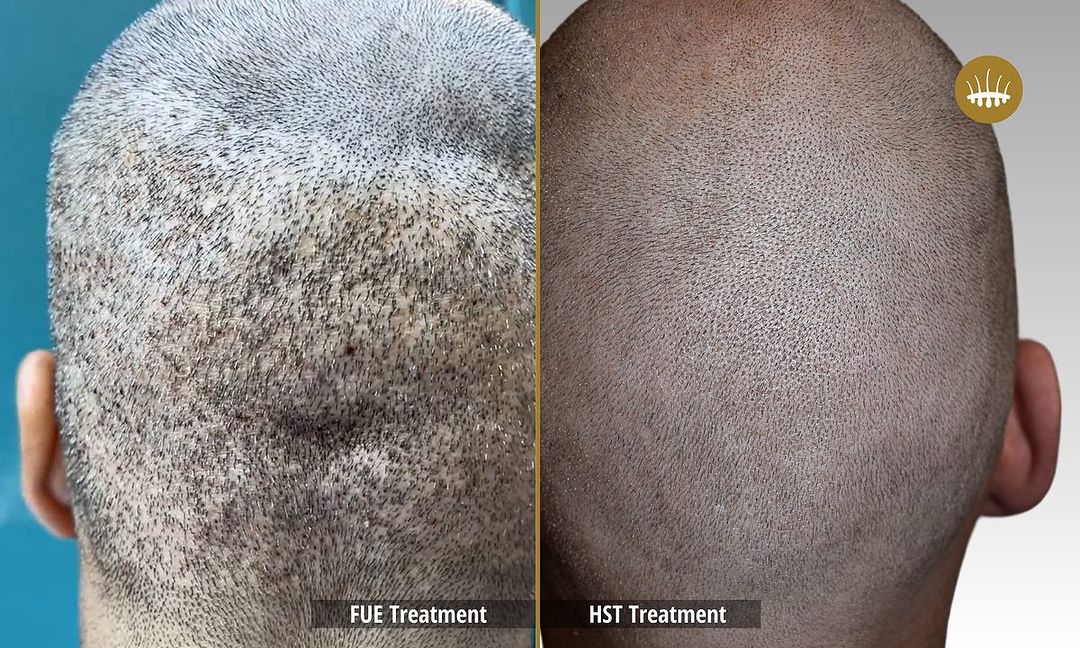
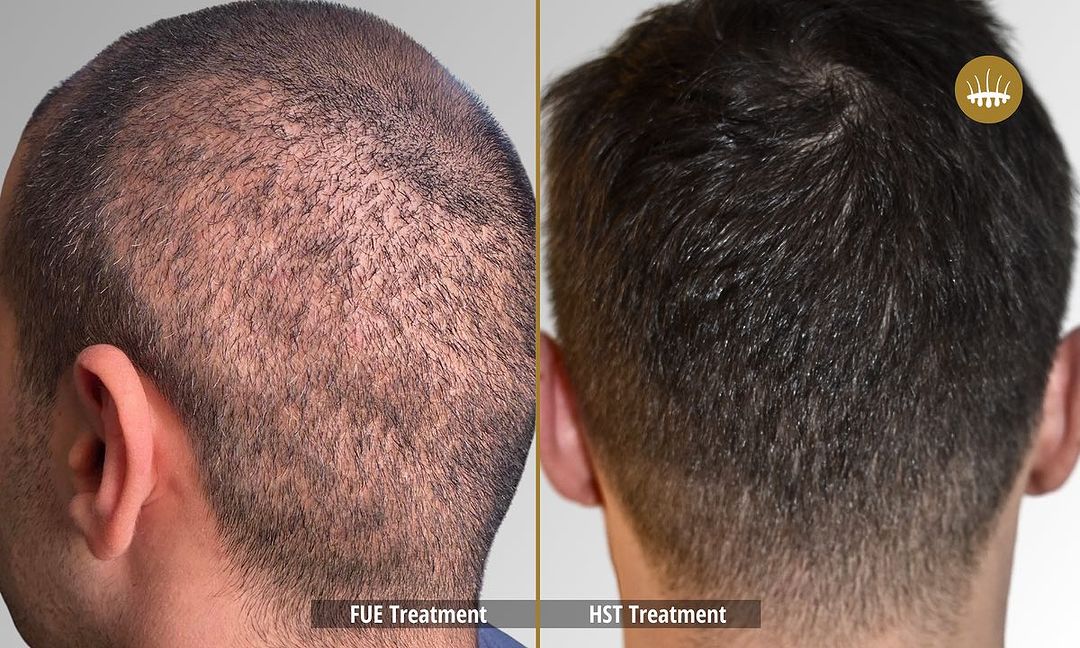
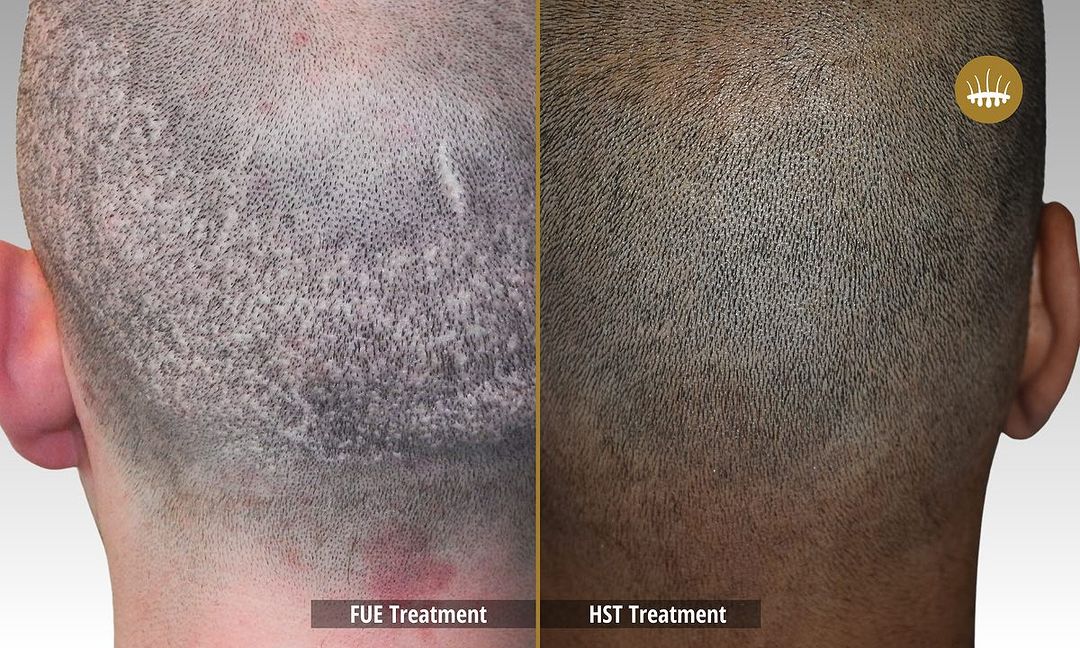
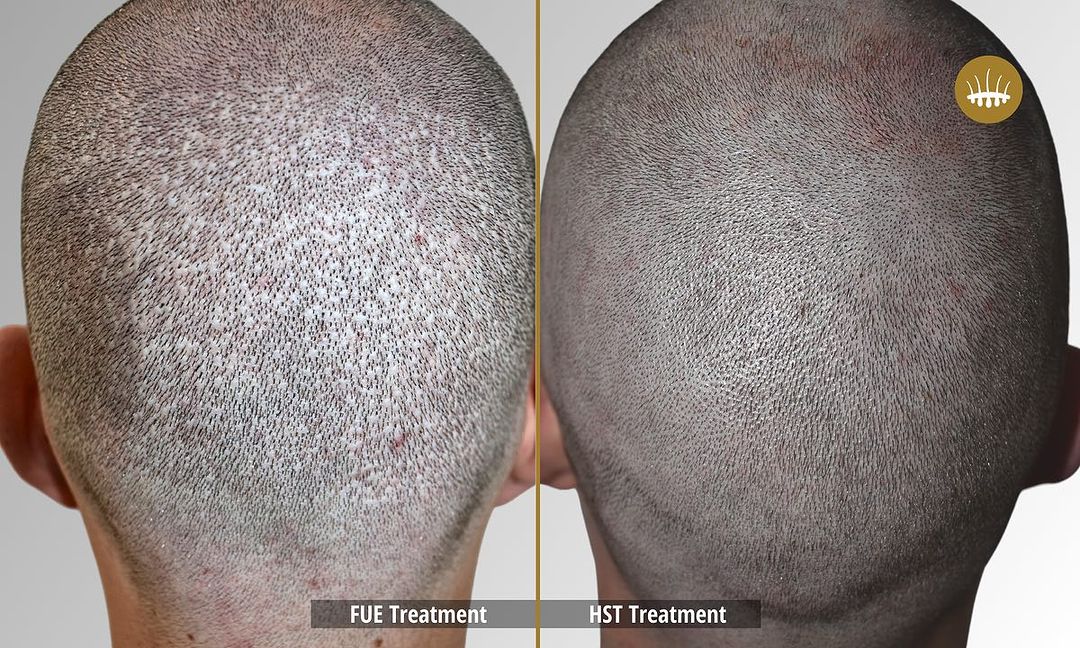
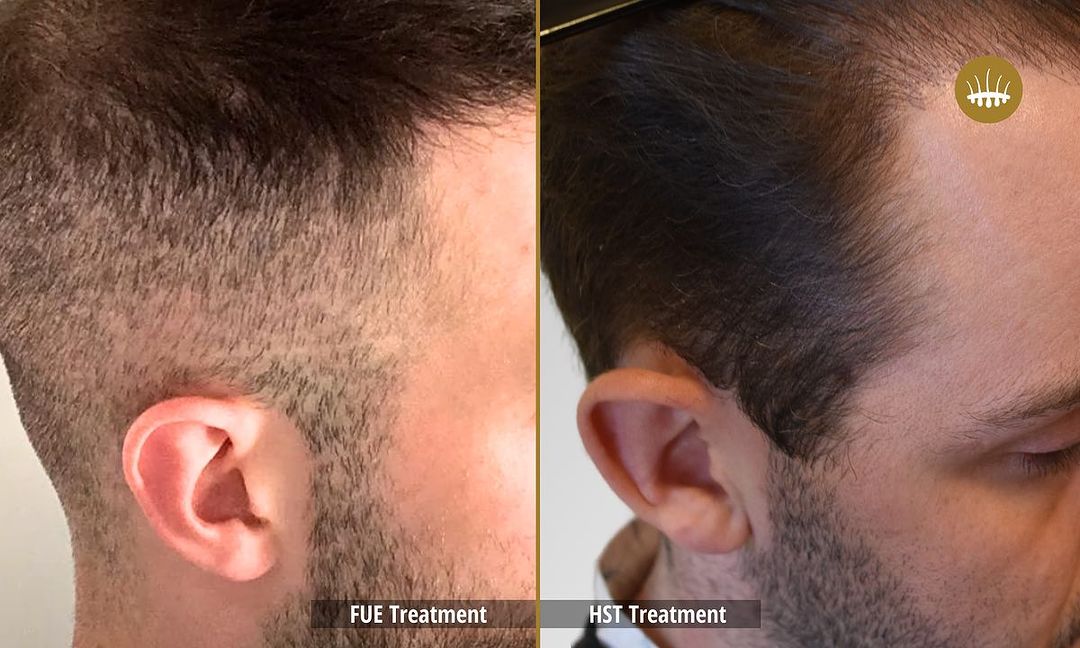
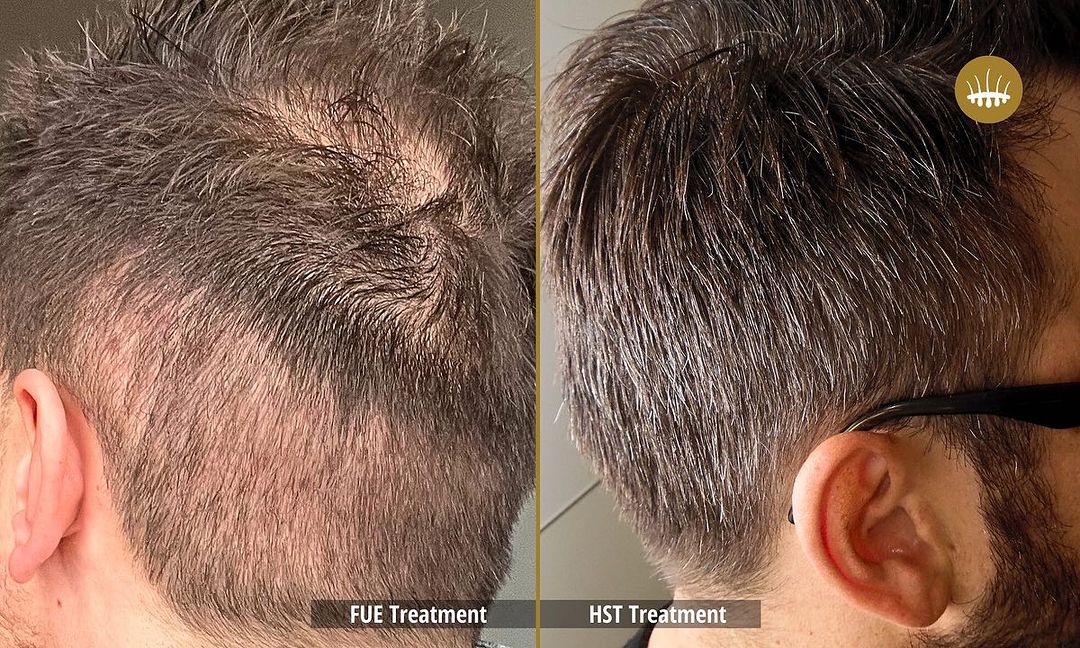
The answer is simple: it requires specialized patented equipment, advanced training, and exceptional precision. Unlike standard FUE procedures, HST doesn’t allow for thousands of grafts in a single day. Each case is customized, slower, but much more respectful of the donor area. For this reason, HST is considered an elite technique, best suited to demanding patients and available only in a few licensed centers worldwide.

A dedicated center in Italy: Bologna

At present, all HST procedures in Italy are exclusively performed at the Hair Science Institute Italia clinic in Bologna. The team is officially trained and certified, and the environment is designed for privacy, safety, and international standards of care — for both Italian and foreign patients.

Understanding in vivo cloning helps to move beyond fear and appreciate that the human body is already capable of self-regeneration — when guided by science. HST harnesses this power to restore hair while preserving the donor area. It’s not science fiction; it’s precision regenerative medicine, now available in Italy.

Call Now ButtonPrivacy Policy